Wow! So, I was messing around with Bitcoin Ordinals the other day, and something felt off about the whole “inscription” frenzy. You hear all this buzz about minting tokens on Bitcoin now, but is it really as straightforward as folks make it out to be? At first glance, it seems like just another way to slap data onto Bitcoin’s blockchain, but the more I dug in, the more I realized there’s a weird mix of innovation and complexity tangled in there.
Okay, so check this out—Ordinals let you literally inscribe arbitrary data onto individual satoshis, turning them into unique, distinguishable tokens. It’s like giving every tiny piece of Bitcoin its own little personality. Pretty wild, right? But here’s the kicker: this isn’t your typical Ethereum-style NFT minting where you have smart contracts doing the heavy lifting. Instead, it’s a layer of ingenuity built on Bitcoin’s original script limitations.
Initially, I thought this would be a smooth ride for anyone with basic Bitcoin knowledge, but nope. Actually, wait—let me rephrase that: it’s accessible, but there’s a learning curve. The tools aren’t as user-friendly as I hoped, and honestly, the wallet situation can be a headache. That’s where I stumbled across the unisat wallet. It’s kinda like the Swiss Army knife for handling Ordinals, making the whole process less of a cryptic puzzle.
What bugs me is the hype sometimes overshadows the practical challenges. For example, managing storage costs—since inscriptions increase block weight—can quickly add up. On one hand, it’s exciting because Bitcoin’s security model is rock solid, but on the other, you gotta be careful not to bloat the chain unnecessarily. Though actually, maybe that’s part of the ethos: keep it scarce, keep it valuable.
Here’s the thing. The idea of embedding data directly on-chain is something I never really thought Bitcoin would embrace wholeheartedly. Usually, people say Bitcoin is just “digital gold,” right? But Ordinals flip that script. They’re turning satoshis into little canvases, which opens doors for art, collectibles, and even decentralized apps—though in a very different way than Ethereum or Solana.
Now, about the minting process itself. It’s not just about slapping your token on the chain; you need to understand sat assignment, inscription formats, and the risks of chain reorgs messing with your tokens. I ran into a snag where an inscription didn’t confirm properly—ugh, that part bugs me to no end. You definitely want a reliable interface, and that’s why I keep coming back to solutions like the unisat wallet, which streamlines these technical steps.
By the way, here’s a little tangent—have you noticed how Bitcoin maximalists react to Ordinals? Some are all-in, seeing it as a natural evolution, while others grumble about potential chain bloat. It’s fascinating to watch the community divide over what’s essentially a new frontier for Bitcoin functionality.
Anyway, the real aha moment for me was when I realized Ordinals aren’t just about minting tokens; they represent a subtle shift in Bitcoin’s utility. It’s not about replacing Ethereum’s smart contracts but complementing Bitcoin’s strengths with unique on-chain data permanence. And yeah, that permanence comes at a price, so you better be sure your inscription is worth it.

If you ask me, the biggest hurdle in the Ordinals realm is tooling. You can’t just use any old Bitcoin wallet and expect to mint or manage inscriptions seamlessly. The unisat wallet stands out because it’s purpose-built for handling Ordinals, offering features like inscription browsing, minting, and easy sat management—all wrapped in an interface that’s surprisingly user-friendly.
What’s cool is that unisat also supports BRC-20 tokens, which are basically fungible tokens built on top of the Ordinals protocol. I’m biased, but this is where things get really interesting—because suddenly Bitcoin can host tokens that feel somewhat like ERC-20s, but with Bitcoin’s security and decentralization mojo. Of course, it’s early days, and the ecosystem is very much in flux.
Here’s something I didn’t expect: using unisat, I found the whole process of creating inscriptions felt less like a chore and more like crafting digital artifacts. The wallet even lets you peek into the blockchain data behind each inscription, adding a layer of transparency that I appreciate. Still, you gotta be patient—sometimes the network feels congested, and confirmations take longer than you’d like.
One more thing—I’m not 100% sure if unisat will be the ultimate solution forever. The space is evolving fast, and new tools will come. But for now, it’s hands down one of the best ways to jump into Ordinals without banging your head against the wall trying to decode raw transactions.
To wrap this up (though not really wrapping), I think Ordinals and token minting on Bitcoin are carving out a niche that’s part art, part tech experiment, and part financial innovation. It’s messy, it’s exciting, and honestly, it challenges my previous notions about what Bitcoin can and can’t do.
So if you’re curious to dabble with Ordinals or BRC-20 tokens, give the unisat wallet a look. Just remember—this isn’t your grandma’s Bitcoin. It’s a new frontier, and like any frontier, it’s got its wild side.
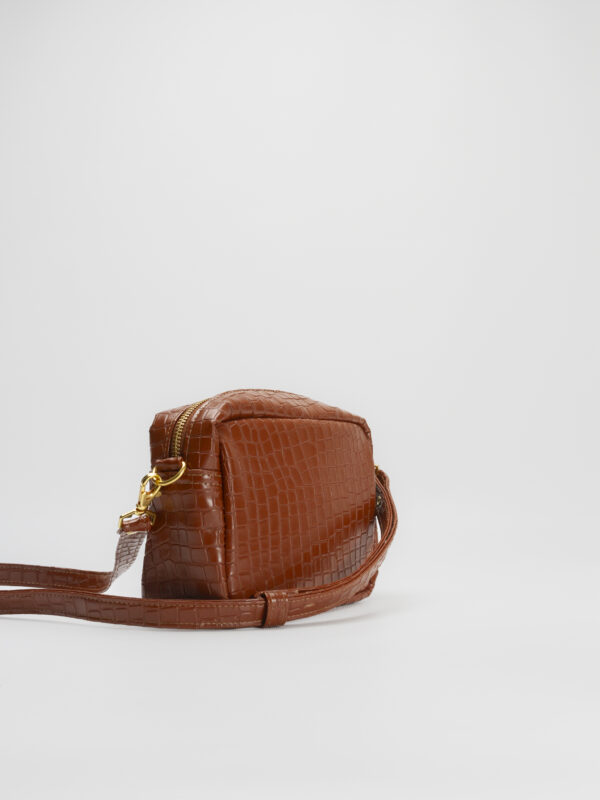 Bolso Cruzar Grabado
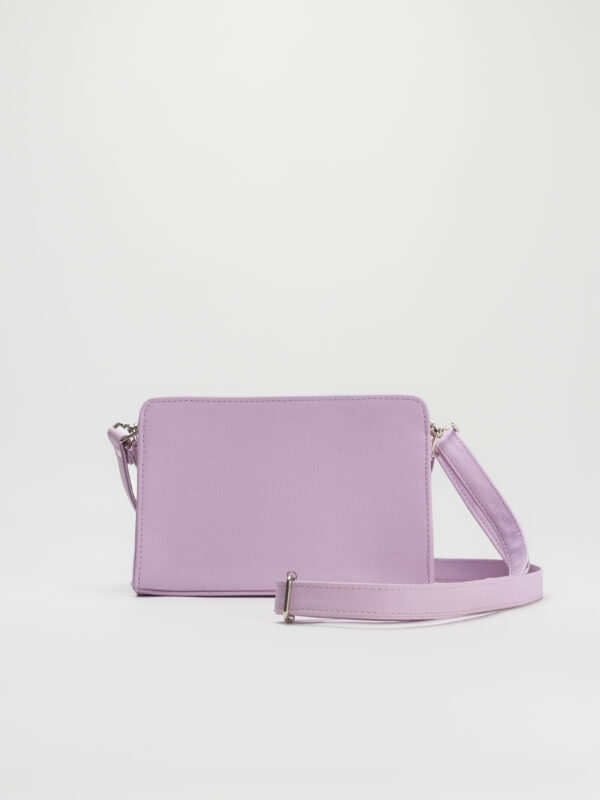 Bolso Rectangular Correa
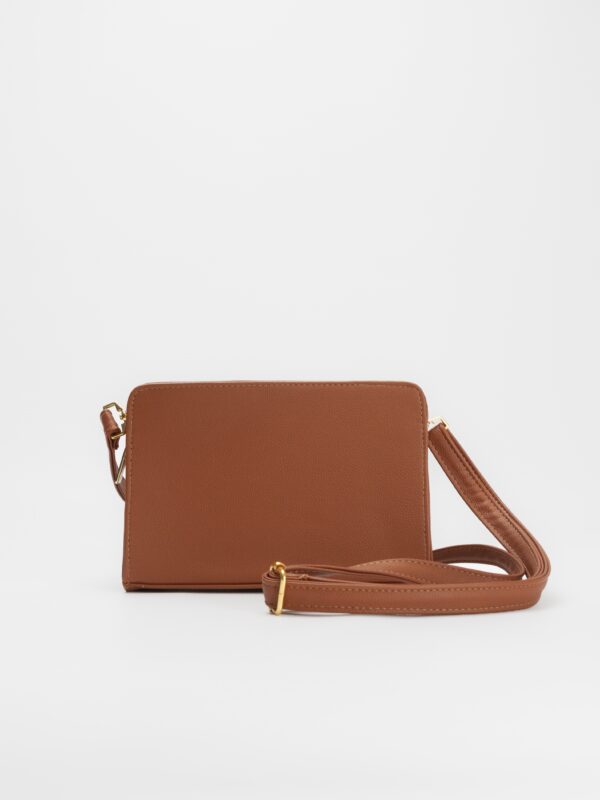 Bolso Rectangular Correa



